
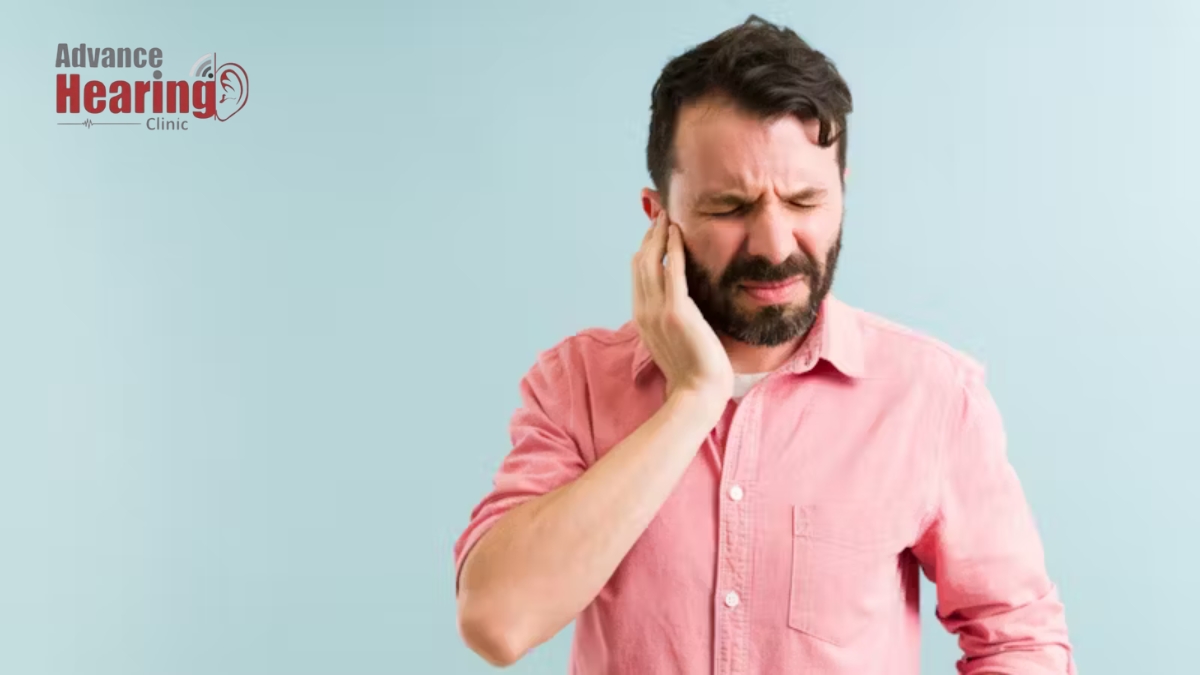
Tinnitus: Understanding, Managing, & Finding Relief
Tinnitus can be a problem that is affecting millions of people around the world. The symptoms include a buzzing, ringing or hissing noises within the ear Tinnitus is an ongoing and stressful experience. If you’re suffering from an occasional annoyance, or have a chronic condition being aware of the cause as well as treatment options are vital to managing your health. In this article, we’ll discuss everything you need to learn about tinnitus starting with its cause and ending with solutions for relief.
If you suffer from tinnitus and hearing loss, finding the appropriate treatment and assistance is vital to improving the living quality. This guide is comprehensive and will assist you in understanding the causes of tinnitus, solutions for treating it, and also how to treat it naturally. Begin by learning about tinnitus, and then receiving the relief you’ve been seeking.
What Is Tinnitus?
Tinnitus is the term used to describe the sensation of sound within the ear in the absence of any external sound heard. Tinnitus can be described as an ear-ringing sound, buzzing or hissing or even whistling sounds. While it’s usually connected with hearing loss, it can also occur with no hearing loss. It may affect just one ear or both. The tone can differ in its frequency, volume as well as intensity.
Tinnitus sufferers often feel irritable because the continuous noise could disrupt daily activities such as sleeping, concentration as well as working. Recognizing the underlying factors is the first stage in managing the problem efficiently.
The Causes of Tinnitus
Tinnitus’ causes may be numerous and, often it can be challenging to determine the exact reason. There are many factors recognized to cause tinnitus:
- The Hearing Loss Cause: One the most frequent reasons for tinnitus are age-related hearing loss or damages that is caused by exposure to loud sound. Damage to hair cells within the inner ear could produce phantom sounds such as buzzing or ringing.
- Ear infections or blockages Infections, fluid accumulation or earwax blockages may result in temporary tinnitus altering the ear’s capacity to listen clear.
- Medicines: Certain medicines that include diuretics, antibiotics and aspirin can result in or worsen the tinnitus symptoms in the form of a reaction.
- Heart and blood pressure issues, as well as high blood pressure. problems: Problems with blood flow affect the auditory system and lead to hearing loss. The conditions such as high blood pressure atherosclerosis and aneurysms may make the problem worse.
- Anxiety and Stress: anxiety, stress, and depression are frequently connected to tinnitus, which makes the problem more severe. The management of stress plays an important part in reducing the symptoms of tinnitus.
Symptoms of Tinnitus
One of the most commonly reported symptoms of tinnitus is that you can hear a constant noise in your ears. It can range in frequency from a buzzing or humming sound up to more intricate tones. The degree of tinnitus may vary from individual to individual there are people who experience mild irritation and others experiencing to be debilitating.
The other symptoms of tinnitus are:
- Hearing difficulties with external sounds
- Distractions in concentration due to constantly blaring sound
- Sleep disturbances
- Anxiety or Irritability
If you’re suffering from the sensation of tinnitus, you need to consult with an ENT specialist who can properly identify and treat your symptoms.
How Tinnitus Affects Your Life
Tinnitus is a serious issue that can affect the way you live your day. People with tinnitus often find it challenging to focus on sleep, focus, or take part in daily activities due to the continuous sound. The psychological and emotional toll from tinnitus may cause depression, anxiety, as well as a decrease in the level of living.
Tinnitus may not be an illness, but rather a sign of conditions that are more serious It is crucial to find a reliable treatment as well as ways to relieve it. There’s no cure for Tinnitus. However, a proper treatment can greatly reduce the impact on your lifestyle.
Diagnosing Tinnitus
The first step to diagnose tinnitus is an extensive examination by an expert in healthcare. Your ENT specialist will examine the medical history of you, conduct an examination of your body as well as order tests, such as
- Audiological Tests is commonly employed to establish whether hearing loss contributes to Tinnitus.
- Tinnitus Matching: A doctor could require you to explain the sound you hear including the pitch and volume for determining its root cause.
- Testing for Imaging: in certain instances, MRI or CT scans can be utilized to determine if there are structural problems which could cause tinnitus.
When the reason for tinnitus is identified, the ENT physician will recommend the best treatment option.
Tinnitus Treatment Options
There are many treatments to treat tinnitus, based on the root cause of the problem and the intensity of symptoms.
- Hearing Aids: For people who suffer from hearing loss, hearing aids may help amplify outside sound, thereby making the Tinnitus less obvious.
- Sound Therapy is the process of the use of white noise or soothing sound to block out the buzzing or ringing sound of tinnitus.
- Cognitive Behavioral Therapy (CBT): CBT helps individuals manage the emotional burden of tinnitus by focusing on the reduction of anxiety and stress.
- Medicines: While there is no medication specifically designed to treat tinnitus symptoms, certain medications are prescribed to treat the underlying causes, such as depression or anxiety that could worsen the symptoms.
Tinnitus Relief: Natural Methods
If you are looking for natural methods to control tinnitus symptoms, the below methods may help:
- Alterations in diet: Avoiding the consumption of alcohol, caffeine or foods that can increase blood pressure could help decrease the symptoms of tinnitus.
- Relaxation Techniques: Practicing techniques like meditation, yoga and deep breathing may aid in reducing stress and anxiety that commonly are associated with tinnitus.
- Essential oils: Aromatherapy with oils like peppermint or lavender can aid in calming nerves and help temporarily relieve Tinnitus.
Tinnitus and Hearing Loss
Tinnitus and hearing loss can be linked. A lot of people suffer from tinnitus as the result of gradually losing hearing, usually because of the aging process as well as exposure to loud sounds. In certain cases hearing aids and cochlear implants may help relieve the tinnitus issue by amplifying sounds from outside while making the inner sounds more subtle.
Managing Tinnitus Stress and Anxiety
Stress management is vital for those suffering from tinnitus since stress can exacerbate the signs. Regular exercise, a good night’s rest, and techniques for relaxation such as mindfulness are a great way to manage anxiety. Sometimes, tinnitus is a problem that can be effectively treated with the combination of treatment as well as lifestyle adjustments.
How to Prevent Tinnitus
It is possible to prevent tinnitus by ensuring your hearing. Here are some suggestions:
- Do not listen to loud sounds: Wear protective earphones in loud environments like construction sites, concerts and other events.
- Reduce the volume: Maintain the volume of headphones and electronic devices to safe levels.
- Make sure you take breaks. If you’re subjected to loud noises for long periods of time, make sure you take breaks in order to protect your hearing.
Concluding: Finding Relief from Tinnitus
Tinnitus is a condition that can be difficult, but when you have the proper treatment and techniques, it is possible to achieve relief. If you opt for audio aids, sound therapy, or cognitive behavior treatment, you have a variety of methods to treat tinnitus efficiently. It is essential to consult with an experienced doctor for tinnitus who will guide you through the procedure of diagnosing and treatment.