BERA Test: A Comprehensive Guide to Diagnosing Hearing
BERA test is a vital instrument for diagnosing hearing difficulties providing detailed insight into your auditory system. When you’re struggling with problems with hearing or speech, such as tinnitus or any other issues with your hearing the BERA test is a great way to identify the root of the issue. In Islamabad BERA tests are increasing in popularity because of its non-invasiveness as well as its accuracy when testing hearing functions.
In this post this guide will cover all you need to learn about this BERA test, its advantages and the reason it’s a crucial step in testing the health of your hearing. At the end of this guide, you’ll know the BERA test process, what is expected during the examination, and know how to interpret the results so that you take informed decisions regarding your hearing health.
What is a BERA Test?
It is a BERA test, which is also referred to in the field of Brainstem Evoked Response Audiometry, is a diagnostic test that is that evaluates the functioning of the auditory nerve, as well as the brainstem’s response when hearing. It is commonly performed for people who experience trouble hearing or might have problems with auditory processing. Contrary to conventional hearing tests, BERA test BERA test is a measure of the activity of the brain’s response to sound. It also provides a an unbiased view of the auditory system.
BERA test BERA test is the best choice for adults and children with a suspicion of auditory loss or difficulties. This test is especially effective in babies who are not able to express their hearing loss.
How BERA Test Works
The BERA test operates through the sending of sound signals (usually tones or clicks) through headphones directly into the ear of the patient. The electrodes, located on the scalp detect the electrical activity that is generated by the brainstem while it responds to the sound. The responses then are documented and examined to determine whether there is any anomalies within the auditory pathway.
It is non-invasive and not invasive, which makes it an appropriate choice for people of all ages as well as infants and old. The information gathered through the test could assist audiologists to determine the degree of loss in hearing, its reasons, and actions to take for treating.
Why You Need a BERA Test
If you’re suffering from any or all of these signs you should consider it is recommended to take a BERA test could be vital to the process of diagnosing:
- Sudden hearing loss
- A difficulty in understanding speech
- Hearing ringing (tinnitus)
- Problems with hearing following a head injury
- Delayed speech development in children
The BERA test can be particularly helpful in identifying problems that cannot be identified by standard hearing tests. This makes it an indispensable diagnosis tool. Also, it is utilized to determine the functioning of the auditory nerve of people who aren’t responding to the standard hearing test.
Conditions Diagnosed by BERA Test
Hearing Loss Evaluation
An BERA test is usually advised for people who have an unprovoked hearing loss. Through analyzing the brainstem’s reaction to sound, this test will help to determine if the cause may be related to the auditory nerve the brainstem or other components of the auditory pathway.
Hearing Problem Diagnosis
In certain cases there are instances where the reason for hearing problems isn’t always evident. The BERA test can provide a greater examination of the auditory system and helps audiologists find issues like:
- Neuropathy of the auditory tract
- Cochlear issues
- Brainstem dysfunction
This precise diagnostic ability can be particularly beneficial to patients with hearing difficulties that require a lot of effort.
How to Prepare for a BERA Test
The process of preparing for the BERA test is easy. Because the test does not require any surgery The most important thing to do is making sure the patient is comfortable. Here are some suggestions on how to prepare for the test:
- Do not drink before taking the test as it could affect your results.
- Make sure you have a peaceful environment since the test demands the use of clear and consistent sounds.
- When it comes to infants and children being calm and happy is vital, since they must remain still for the duration of the exam.
The BERA Test Procedure
During the Test
In BERA, or the BERA test, you’ll be required to relax on a stool while electrodes are positioned on the scalp, behind your ears and to your forehead. The electrodes serve to determine the brainstem’s reaction to sounds.
The tests typically run between 30 and one hour, according to the requirements of the patient. Audiologists play various audio stimuli using headphones while electrodes monitor the electrical signals produced from the auditory nerve.
After the Test
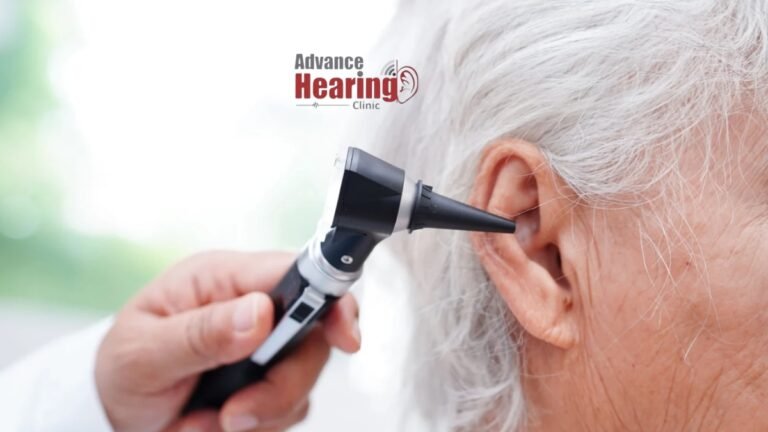
When the test is complete and the hearing specialist has completed his analysis, the audiologist analyzes the results to determine any issues in the auditory pathways. If needed, the audiologist might suggest additional testing or treatment for hearing loss in light of the findings.
Interpreting BERA Test Results
The findings of the BERA test can provide insights into the function of the auditory nerve as well as the brainstem. If there’s any delay or lack of the brainstem’s response when hearing this could be a sign of issues like:
- Auditory neuropathy: A disorder that causes the auditory nerve to not send sound signals to the brain in a proper manner.
- Cochlear disorders: Issues within the inner ear or cochlea, which affects the transmission of sound.
- Anomalies in the brainstem: Those that interfere with the brainstem’s capacity to listen to sound.
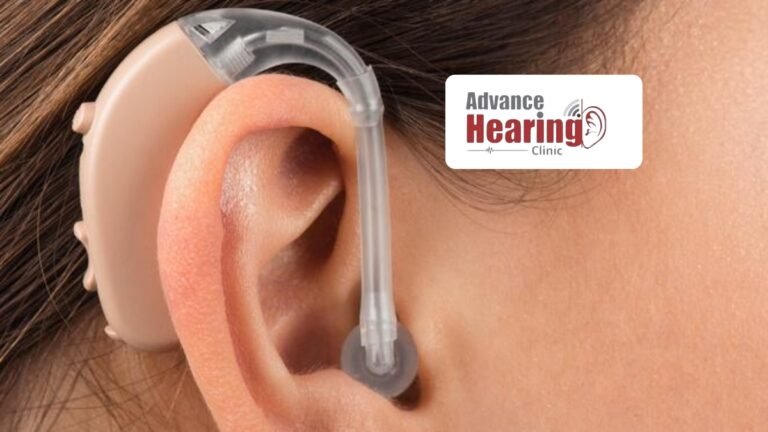
Understanding these results is vital for determining what next steps to take, which could comprise hearing aids or cochlear implants or any other intervention.
The Importance of a Follow-Up Test After BERA
After having an BERA exam, it’s typically advised to have a follow-up test to observe any changes in the auditory nerve’s functions. A regular follow-up test will ensure the loss of hearing recognized early and appropriately managed.
The follow-up tests immediately following BERA could also aid in tracking the treatment’s progress, like the efficiency of hearing aids and cochlear implants. It also allows an audiologist to make required modifications.
Choosing the Right Audiologist in Islamabad
If you are looking to take the BERA examination in Islamabad It is essential to pick an audiologist that is skilled and has expertise in the administration and interpretation of the test. Audiologists who are qualified will lead you through every step of the process beginning with a consultation until post-test follow-up care to ensure that you get an accurate diagnosis as well as treatments.